Why Choose GFRP Rebars in India?
GFRP (Glass Fiber Reinforced Polymer) rebars are transforming construction in India — offering a lighter, corrosion-proof, and more durable alternative to traditional steel reinforcement. As one of India's trusted GFRP rebar manufacturers, RN Elements LLP is proud to deliver high quality GFRP rebars at the best price for diverse infrastructure projects.
Key Advantages of GFRP for Indian Construction
GFRP rebars offer multiple benefits that make them superior to steel in many applications across India.
Corrosion Resistance
Immune to rust and chemical attack, ensuring longevity for Indian infrastructure.
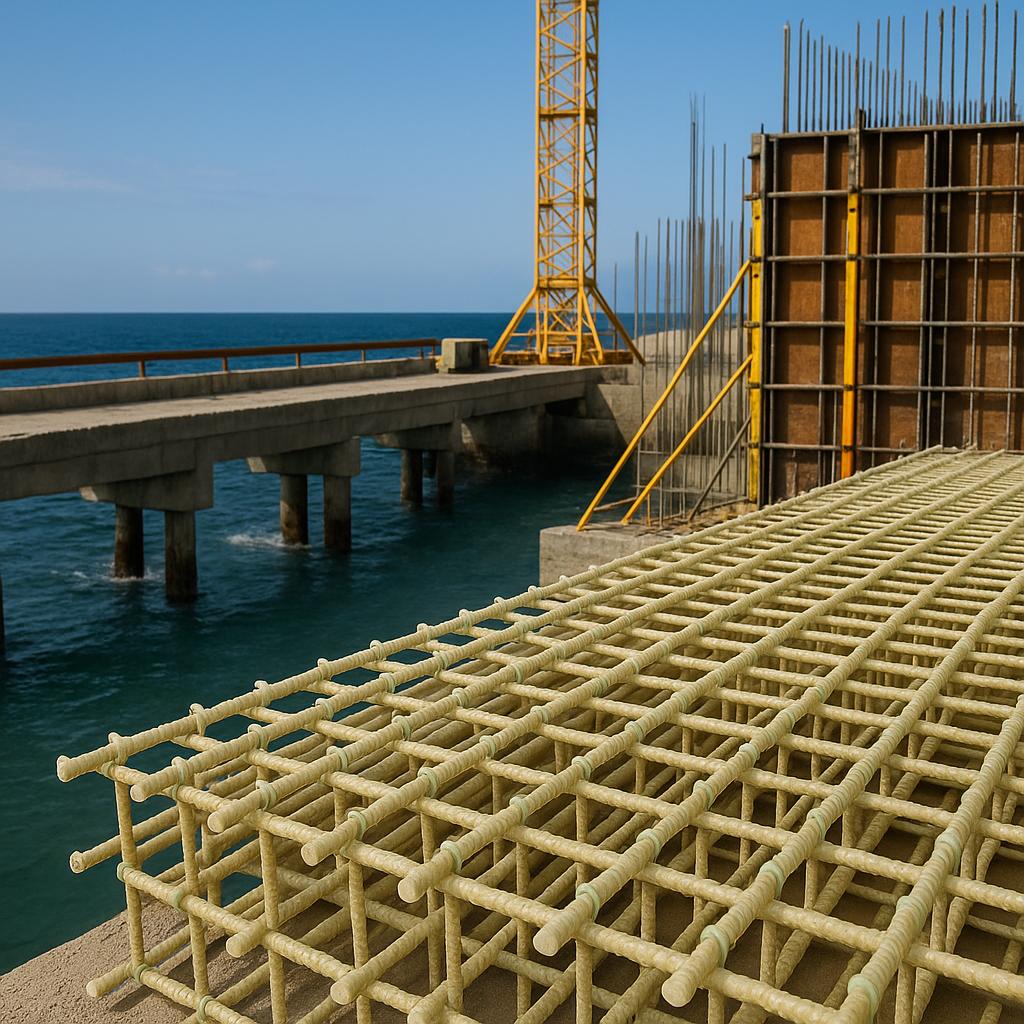
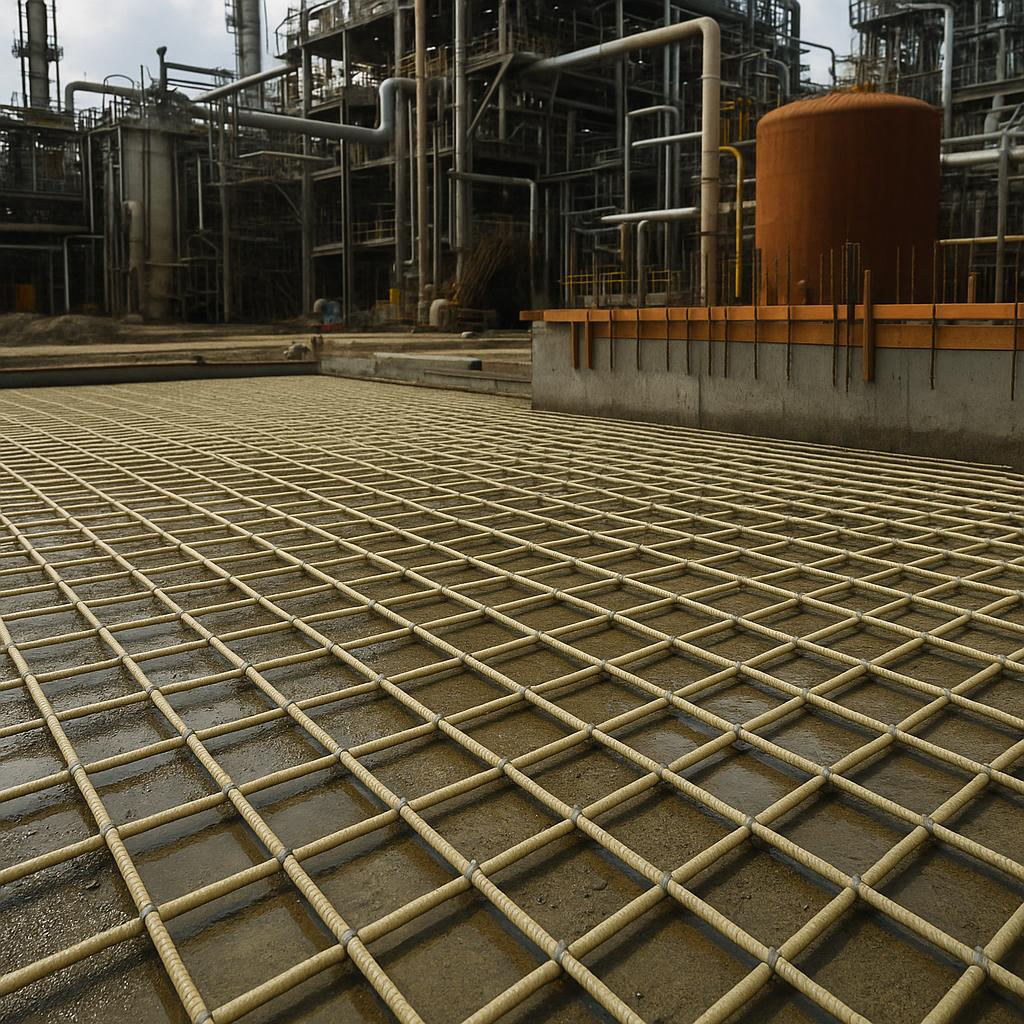
GFRP rebars do not corrode, making them ideal for harsh environments like coastal areas in India, chemical plants, and infrastructure exposed to de-icing salts. This eliminates costly repairs and extends structural life significantly.
Lightweight Advantage
Approximately 75% lighter than steel of equivalent strength, simplifying logistics in India.
Reduces transportation costs, eases on-site handling, lessens structural dead load, and can lead to faster construction times with smaller equipment needs, crucial for diverse Indian terrains.
Cost-Effective GFRP Rebar Prices in India
Competitive initial cost and significantly lower lifecycle costs for Indian projects.
GFRP is often cheaper or competitive in initial material cost per unit length for equivalent performance due to its lower density. It also offers substantial savings in transportation, installation, and eliminates corrosion-related maintenance, leading to major long-term economic benefits and a lower total cost of ownership for Indian developers.
Non-Magnetic & Non-Conductive
Electrically non-conductive and magnetically transparent, vital for specialized Indian facilities.
Perfect for applications like MRI rooms in Indian hospitals, sensitive electronic installations, and areas where electromagnetic neutrality is crucial. Prevents interference and enhances safety.
Thermal Insulation Properties
Low thermal conductivity reduces thermal bridging, improving energy efficiency in Indian buildings.
Contributes to better energy efficiency in buildings by minimizing heat loss or gain through structural elements, unlike highly conductive steel, beneficial for India's varied climate.
High Strength-to-Weight Ratio
Superior tensile strength compared to steel, allowing innovative designs in India.
GFRP rebars can offer 1.5 to 2 times the tensile strength of steel, allowing for potentially lighter and more efficient structural designs under specific engineering considerations for Indian projects.
Steel vs GFRP Rebar: A Comparison for India
A clear comparison highlighting GFRP's superior properties for Indian projects.
| Property | Steel Rebar | GFRP Rebar | Advantage |
|---|---|---|---|
| Tensile Strength (MPa) | 400-550 | 600-1200+ | ✓ |
| Density (g/cm³) | ~7.85 | ~2.1 | ✓ |
| Corrosion Resistance | Poor (requires protection) | Excellent | ✓ |
| Initial Material Cost | Moderate to High | Competitive to Moderate | ✓ |
| Lifecycle Cost | High (due to maintenance) | Low | ✓ |
| Weight | Heavy | Light (1/4 of steel) | ✓ |
| Magnetic Properties | Magnetic | Non-magnetic | ✓ |
| Electrical Conductivity | Conductive | Non-conductive | ✓ |
| Installation Speed | Heavy, labor intensive | Lightweight, faster to install | ✓ |
ℹ Note: This data is as per industry standards and typical material properties. Actual values can vary based on specific product grades and testing conditions. Detailed specifications and test reports for RN Elements GFRP rebars (compliant with IS 18255:2023 & IS 18256:2023) can be provided on request.
Ideal Applications for GFRP in India
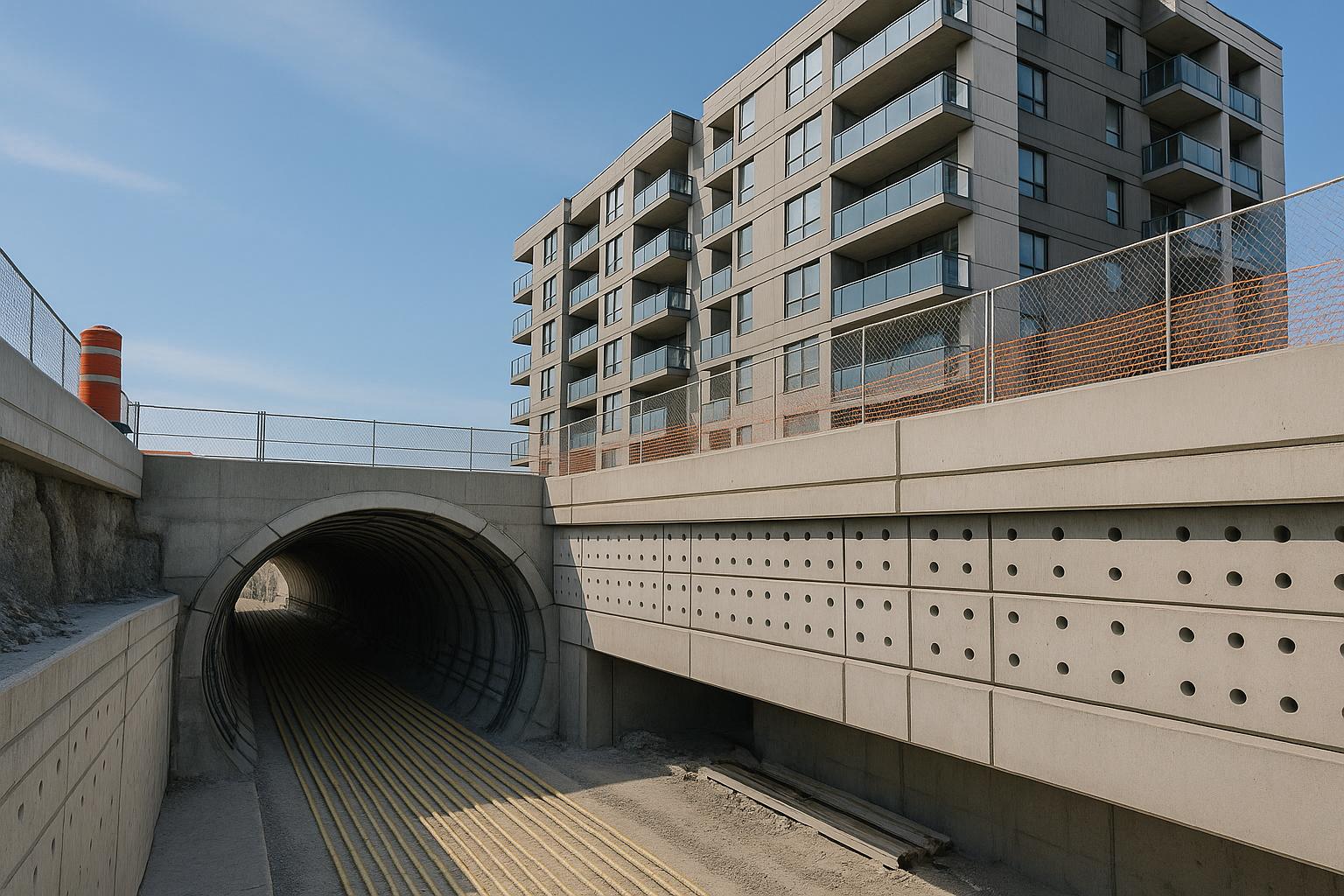
GFRP rebars excel in diverse and challenging construction environments across India.

GFRP in the Indian Context: Codes & Acceptance
GFRP technology is gaining significant traction in India, supported by national standards and government initiatives.
📖 Indian Standard Codes for GFRP
- IS 18255:2023: Glass Fibre Reinforced Polymer (GFRP) Bars for Concrete Reinforcement - Specification.
- IS 18256:2023: Test Methods for Glass Fibre Reinforced Polymer (GFRP) Bars.
- IRC:112-2020: Code of Practice for Concrete Road Bridges (includes provisions for FRP).
- IRC:SP:104-2014: Guidelines for the use of Polymer Fibre Reinforced (FRP) Reinforcement in Reinforced Cement Concrete Structures.
🏢 Government & Ministry Acceptance in India
- Ministry of Road Transport and Highways (MoRTH) has included GFRP rebars in specifications for highway structures across India.
- Various Indian state PWDs and infrastructure development agencies are increasingly adopting GFRP for projects requiring durability and corrosion resistance.
- Leading Indian research institutions like IITs and CSIR labs are actively involved in promoting and standardizing GFRP usage in India.
Ready to explore how RN Elements GFRP rebars can benefit your next project in India? Contact us today for a personalized consultation and competitive pricing on fiberglass rebars.